Hebrews - Chapter 4 Entering into God's Rest


The Epistle of Hebrews
Chapter 4
Entering God's Rest
As we begin this chapter, the Apostle Paul. purposes to center on the important of what it means to enter into God's rest. So then, we ask, what is God's rest? And what happens to those who refuse to believe God's warning.
Hebrews 4:1 Therefore, since a promise remains of entering His rest, let us fear lest any of you seem to have come short of it. 2 For indeed the gospel was preached to us as well as to them; but the word which they heard did not profit them, not being mixed with faith in those who heard it.
Whenever a verse or chapter begins with the word "therefore," it means the following is conditioned on the previous. So then, continuing from chapter 3, the apostle is warning the 1st century Jewish believers that the unbelief of the Israelites who left Egypt were not allowed to enter into Canaan through fear. They did not trust and rely that God would take care of them. One enters into God's rest through belief - trusting and relying upon God to fulfill what He promised.
What then does "rest" mean? God's rest - whether the passage is referring to the Israelites entering into the Promised Land, the believers in the 1st century, or even today, can enjoy our rest amongst all that God has created, including the glories of heaven.
Often, those reading this passage will consider this rest to be only entering into Canaan. Canaan, however, was a type of heaven. For then to those Jewish believers in the 1st century, the writer is specifically speaking of the glories of Heaven as God's rest in this passage.
- In heaven there will be a rest for the body from labor, disease, and the toils of life.
- In Heaven, there is no pain or diseases, only joy, peace and comfort.
- Heaven is indeed a place of God's rest.
Heaven, however, can only be entered through faith - faith and trust in Christ and all He has done for us. Without faith, we fall short and can never enter God's rest. It was the same for the Israelites when they did not trust in God. Everyone except Joshua and Caleb who had faith and trust in God to go into Canaan, died in the wilderness, not being allowed to enter into their Promised Land. Then their final resting place was away from God because they refused to have faith and trust that God would take care of them. They are also experiencing the wrath of hell and remains there to this day to eventually experience the eternal lake of fire at God's great white throne judgment because they refused to have faith and trust that God would take care of them.
This letter then to the Hebrews is a letter of encouragement as well as a warning to the 1st century believers, as well as us today, to remain faithful to our belief and faith in Christ Jesus, least we fall short in our faith. For in our faith, or lack of it, are the wonderful promises of God or His great wrath.
The 1st century Jews who believed in Christ could also enter into God's rest in their life by no longer having to experience living under the Law, for Jesus came to set them free from the Law. Then as a final rest, they, through their faith and obedience to Christ, entered into heaven to experienced God's final rest.
- But for those 1st century Jews who lacked faith, including the religious Jews of that day, not only did not experience God's rest in heaven, but unbeknownst to them would be the terror that was about to come upon them in a few short years with the fall of the temple, which killed over one million people. In addition to that, their final resting place would be the wrath of hell, followed by the eternal lake of fire - all because they lacked faith and trust in Christ in Who He is and what He has done for them.
3 For we who have believed do enter that rest, as He has said: “So I swore in My wrath, ‘They shall not enter My rest,’ ”although the works were finished from the foundation of the world. 4 For He has spoken in a certain place of the seventh day in this way: “And God rested on the seventh day from all His works”; 5 and again in this place: “They shall not enter My rest.”
God's resting place, whether it is in heaven or on earth, were set up from the beginning of creation. God gave mankind a glimpse of His rest by his seventh day rest from all works at the beginning of creation. In that seventh day rest was peace and joy, enjoying God's beautiful works of creation.
This is a reminder for us today to take a seventh-day rest from our labor and simply enjoy God's beautiful creation. This is also a reminder for us today to take time to enjoy God's presence each and every single day, for in those special times we experience short times of God's rest. God is our example - He rested, and so should we.
How sad it is for unbelievers - those who do not walk in faith - to not experience God's rest. In their rebellion, which results in lack of faith, they in turn miss God's rest, but will also enter into God's wrath, falling short of God's rest in this life and in the next.
6 Since therefore it remains that some must enter it, and those to whom it was first preached did not enter because of disobedience, 7 again He designates a certain day, saying in David, “Today,” after such a long time, as it has been said: “Today, if you will hear His voice, Do not harden your hearts.”
Some will enter into God's rest because they believed - had faith - when they first heard the good news of the Gospel; however, there were those who when heard, rebelled, and therefore cannot enter into God's rest. Even the religious Jews who claimed belief in God, but having no trust in Jesus, rebelled and were disobedient to God and His Word, thus suffered the fate of an unbeliever, just as the unbelieving Gentiles - hell away from Christ forever.
- Even King David, when penning the 95th chapter of Psalm, spoke as a prophet of God, using the example of the Israelites in the wilderness. Speaking of another day of rest, King David proclaimed another day of rest. "Today, if you will hear God's voice, do not harden your heart."
8 For if Joshua had given them rest, then He would not afterward have spoken of another day. 9 There remains therefore a rest for the people of God. 10 For he who has entered His rest has himself also ceased from his works as God did from His.
Joshua was the leader of the Jews (following Moses), just as Jesus become the leaders of God's people who believed in Him. The name Jesus comes out of the name Joshua and he was a type of Christ in many actions of his life. As the Message Bible says, "And so this is still a live promise. It wasn't canceled at the time of Joshua; otherwise, God wouldn't keep renewing the appointment for "today." The promise of "arrival" and "rest" is still there for God's people. God Himself is at rest. And at the end of the journey, we'll surely rest with God." Therefore, if the Israelites were permitted to enter into the Promised Land, King David, who hundreds of years after that time would not have spoken of another day.
Therefore, there still remains a rest for the people of God - believing Jews and Gentiles alike. These are those who have or will accept Christ in faith, and be granted the rest promised in heaven and eternal life with Christ forever.
The Israelites, however, lacked faith to believe in God's promises, falling short, afraid to enter into Canaan. As such, they were disqualified in the eyes of God, and therefore, were not allowed to enter into their Promised Land.
The author here, however, was speaking to the 1st century Jews because they had heard the Gospel, just as we have heard and read today. Hearing God's Word, however, isn't enough. We must believe and claim it for ourselves - trusting that Jesus will do everything He promises us in His Word. We do not want to fall short of God's promises, thus disqualifying ourselves with God's rest.
For those, however, who hear and accept the Gospel, mixing it with faith are then qualified to enter into God's rest because and through their faith.

The fourth commandment:
Remember the Sabbath to keep it holy.
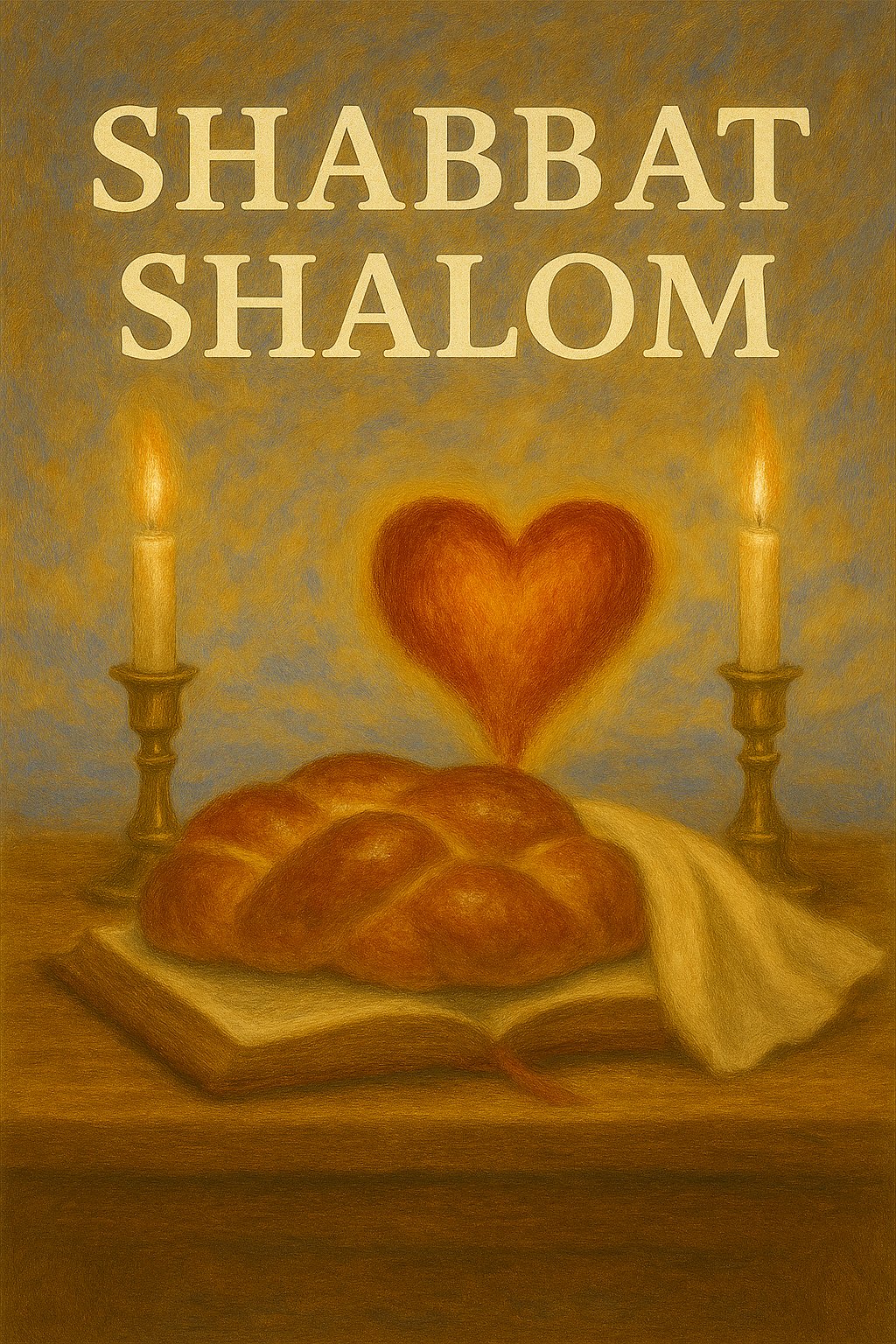
As an honor of God's rest in the Jewish culture today, orthodox Jews, along with Messianic Jews still honor God's command to enter into God's rest through the Sabbath, which begins at sundown on Friday, culminating at sundown on Saturday. A common greeting are the words "Shabbat Shalom" which is a Hebrew greeting meaning "Peaceful Sabbath." It has become a way to express goodwill and a desire for a fulfilling and peaceful Sabbath experience, expressing the importance or rest and spiritual rejuvenation in the Jewish tradition. It is their day of rest where they do not work, including cooking and cleaning, and the day is spend resting up ones body and spirit at the end of the week.
I have sat under three Jewish Messianic Rabbi over the years in my search to learn more about the mind of the Jewish writers of the New Testament with the intention of learning deeper truths from a Jewish perspective. It was very common for Messianic Jewish believers, as well as all those who attend the Sabbath congregation service to greet each other on the Sabbath with the words "Shabbat Shalom." Over the years I have greeted hundreds of people on the Sabbath with the words "Shabbat Shalom."
11 Let us therefore be diligent to enter that rest, lest anyone fall according to the same example of disobedience. 12 For the word of God is living and powerful, and sharper than any two-edged sword, piercing even to the division of soul and spirit, and of joints and marrow, and is a discerner of the thoughts and intents of the heart. 13 And there is no creature hidden from His sight, but all things are naked and open to the eyes of Him to whom we must give account.
Most Christians today choose to honor the Sabbath on Resurrection Day which is the 1st day of the week - Sunday. Whether you choose to honor the Sabbath on Saturday or Sunday, it is important to our physical and spiritual health to honor God's rest on a weekly basis - that is where we begin God's rest in our life. Then to remain in faith, we need to focus on our eternal rest in heaven. As such, be need to be diligent to keep our faith, purposing to be obedient to our faith, so we don't fall short of entering into our eternal rest.
To discover the condition of our heart then becomes a matter of looking at the Word of God to see if we are believing and following God through His Word in our lives. God's Word is so penetrating to where it is sharper than any two-edged sword, as it pierces deeper and deeper, dividing our spirit, soul, and body, and is able to detect and show us the thoughts and motives of our heart.
Because Jesus is the Word of God and became flesh, dwelling among us (John 1:1 & 14), Jesus now dwells within us through the power of His Holy Spirit that indwells within our spirit. It is the Holy Spirit then that goes deep into our heart, searching our soul, spirit and body - and knows everything about us. There is nothing hidden from God's sight. Everything is laid bare and naked before His eyes, and each of us must give an account for all our thoughts, words and deeds.

Jesus - Our Compassionate High Priest
14 Seeing then that we have a great High Priest who has passed through the heavens, Jesus the Son of God, let us hold fast our confession. 15 For we do not have a High Priest who cannot sympathize with our weaknesses, but was in all points tempted as we are, yet without sin. 16 Let us therefore come boldly to the throne of grace, that we may obtain mercy and find grace to help in time of need.
While Jesus knows everything about us, and we will have to stand before Him for everything - our thoughts, words and deeds, He is still our compassionate High Priest who sympathizes with our weaknesses.
- Because Jesus left heaven as God to become human like us and returned to heaven as God, He can have compassion upon us even with our weaknesses because He too was tempted, even though He remained without sin. Therefore, let us remain strong in our faith as we come boldly before His throne to receive His mercy and grace in our times of need.


Written by Pastor Joyce A. Erickson
Believers Bible School, Founder https://believersbibleschool.com/